Time Shooter 3: SWAT
Plan your movement in a slow-motion shooter, avoid incoming shots, and protect hostages.
- Session
- 1–5 min
- Controls
- WASD to move; mouse to aim
- Best for
- Action
Landscape gives you more room
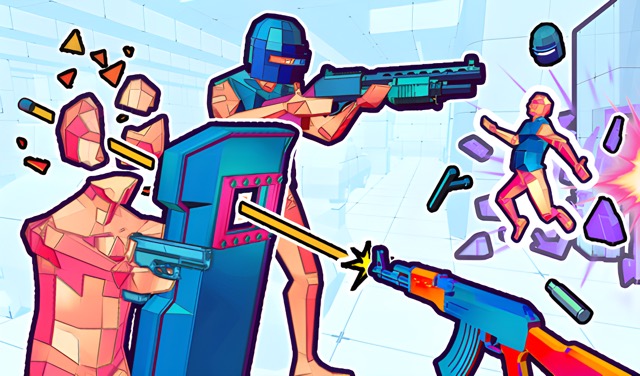
Time Shooter 3: SWAT
Time Shooter 3: SWAT
WASD to move; mouse to aim
Play loads a game hosted by Playgama that may show ads and use cookies.
Provided by Playgama. Ads and cookies may load only after you press Play. Read the Playgama Privacy and Cookie Policy.
Plan your movement in a slow-motion shooter, avoid incoming shots, and protect hostages.
How to play
How to Play Time Shooter 3: SWAT
Stand still to study the scene, then move and act in short bursts to defeat threats, protect hostages, and complete the rescue.
- 01
At the start of an encounter, stop and scan from near to far. Locate enemies, hostages, incoming fire, doors, weapons, shields, and explosive objects before choosing a target.
- 02
Use WASD to reposition. Move just enough to change the angle, avoid a projectile, reach equipment, or create a clear line that does not endanger a hostage.
- 03
Use the left mouse button to pick up or fire a weapon. Choose the shot only after checking armor, distance, nearby hostages, and what the next enemy can do when time advances.
- 04
Use the right mouse button to drop a weapon when another tool or empty hand is more useful. Press F to pick up or drop a shield and keep it between you and the active threat.
- 05
Use a ram to break through a door when the route requires it, and consider explosive cylinders only when the blast area is clear of hostages.
- 06
After every attack or dodge, stop again and rebuild the scene. Continue threat by threat until the hostages are safe and the mission result appears.
About the game
A slow-time SWAT shooter built around hostage rescue
Time Shooter 3: SWAT by GoGoMan is a first-person action game where time advances when you move. Standing still gives you room to read an encounter; walking, aiming through movement, and committing to an attack bring the action forward. The objective is to defeat armed opponents and rescue the hostages in each mission.
This third Time Shooter entry centers its SWAT theme on armored enemies, shields, doors, and rescue decisions. Opponents may wear body armor or helmets, so the first visible target is not always the easiest target. Pistols, machine guns, shotguns, explosive cylinders, a ram, and protective shields create different ways to solve a room.
The central skill is converting paused observation into one short safe action. Identify the nearest threat, locate every hostage, note available cover or equipment, and move only far enough to improve the position. A rushed attack can expose a hostage or leave you empty-handed; a deliberate sequence keeps dangerous lines separate and preserves options for the next moment.
Controls
Controls for Time Shooter 3: SWAT
- W, A, S, D
- Move through the scene and advance time.
- Left mouse button
- Pick up or fire a weapon.
- Right mouse button
- Drop the current weapon.
- F
- Pick up or drop a shield.
Useful strategy
Solve one dangerous line at a time
- Freeze your own movement after each meaningful action. A fresh scan catches new projectiles and enemies revealed by the changed angle.
- Trace every firing line past its target. If a hostage stands behind or beside an enemy, reposition instead of taking a shot with an uncertain endpoint.
- Use armor as target information. A protected opponent may require a different angle, weapon, or first action than an exposed threat who can be removed immediately.
- Carry a shield toward the threat you cannot safely eliminate yet. Protection is most useful when it buys a route to a better weapon or angle.
- Treat explosive cylinders as area tools. Confirm the hostage positions and your own escape line before turning one object into a larger hazard.
- Drop equipment with a reason. Switching tools is valuable when range, armor, ammunition, or protection changes; random swapping spends motion and attention.
Read the scene while your movement is paused
Begin with the closest immediate danger, then widen the scan. Look for a weapon already aimed toward you, a projectile in flight, or an opponent close enough to attack after your next motion. Mark hostages separately so they never become background shapes inside a combat line.
Next, inventory useful objects and routes. A nearby weapon may solve the first threat, a shield may make an exposed crossing possible, and a door may hide the next part of the room. Do not plan the entire mission from one viewpoint; identify one action that improves both safety and information.
Finish the scan by predicting what moves when you move. If two opponents can attack during the same step, choose an angle that breaks one line or use protection. The goal of observation is not to delay forever. It is to enter motion knowing which danger the action controls.
Keep every hostage outside the attack line
A clear view of an enemy is not automatically a safe shot. Extend the line through and around the target. If a hostage occupies the background, move sideways until the two figures separate. A small angle change can create a clean attack without demanding faster aim.
Explosive objects require a wider check. Consider the space around the cylinder, not only the enemy beside it. Use another weapon or lure the dangerous line away when a hostage is close enough to make the blast uncertain. Rescue priority changes which tools are acceptable.
After defeating a nearby threat, stop before advancing toward the hostage. Another enemy may now have a clear line through the opened space. Secure the room one angle at a time, then approach the rescue area when movement no longer activates an uncovered attack.
Choose attacks for armor, distance, and exposure
Helmets, body armor, and shields change which part of an opponent is vulnerable and how long you remain exposed. Study the protection before firing. If the current weapon and angle do not offer a dependable result, use frozen time to find a side route, stronger tool, or unprotected target.
Prioritize enemies by what they can do during your next action, not only by how close they stand. An exposed shooter with a direct line may be more urgent than a heavily protected opponent facing away. Removing the immediate attacker can give you time to solve the armored threat deliberately.
When an opponent carries a shield, avoid pouring actions into the protected front without a plan. Change the angle, use the environment, or handle another threat first. Your advantage is the ability to stop and reassess; spend it on finding a better problem rather than repeating an ineffective attack.
Match equipment to the next short sequence
A pistol can support a controlled single-target line, while a shotgun or machine gun changes range and commitment. Choose according to the next room or threat, then remember what dropping the current weapon will cost. A stronger-looking option may be worse if reaching it crosses open fire.
A shield turns an exposed route into a protected approach when you keep it facing the active danger. Use F deliberately and confirm what you are holding after the interaction. Protection does not replace awareness of side angles, so pause after moving and check whether another enemy now sees around it.
Plan pickups as part of the action chain. Move toward equipment, obtain it with the left mouse button, then stop to reassess before firing. Combining travel, pickup, aim, and attack into one uncontrolled motion gives the scene too much time to change before you verify the result.
Move in short bursts and rebuild the plan
Use movement for a defined result: dodge one projectile, reach one object, clear one firing line, or enter one doorway. Release the keys as soon as that result is achieved. Short bursts limit how far every threat can advance before you receive another planning pause.
When dodging, move perpendicular to the incoming line when the space allows it. Check the destination before starting so the escape does not enter another enemy's aim or carry you beside a hazardous object. A successful dodge should improve the position, not merely postpone impact.
If the scene becomes confusing, stop adding movement. Locate the hostage positions again, identify the closest active threat, and account for the tool in your hands. Rebuilding those three facts usually reveals a manageable next step and prevents panic from turning slow time into ordinary rushing.
Quick answers
Time Shooter 3: SWAT FAQ
How does time work in Time Shooter 3: SWAT?
Time advances when you move, giving you space to inspect the scene while standing still. Use that pause to choose one short movement, attack, pickup, or dodge before reassessing.
What is the objective in Time Shooter 3: SWAT?
Defeat the armed opponents and rescue the hostages. Keep hostage positions in view whenever you choose a firing line or consider using an explosive cylinder.
How is Time Shooter 3: SWAT different from Time Shooter 2?
This page covers the SWAT entry with hostage rescue, armored opponents, shields, door breaching, and its own equipment decisions. Use these instructions for Time Shooter 3 rather than carrying them to another title.
How do I pick up and drop weapons?
Use the left mouse button to pick up or fire a weapon and the right mouse button to drop it. Stop after switching so you can confirm the new tool and threat lines.
How do I use a shield?
Press F to pick up or drop a shield. Keep it between you and the main threat while moving, then check side angles before continuing into the room.
When should I use an explosive cylinder?
Use it when the blast can affect a useful enemy group without putting hostages at risk. If positions are crowded or uncertain, create a cleaner angle with another tool.
Game information
Game details
Time Shooter 3: SWAT is developed by GoGoMan and provided through the Playgama-hosted player. The external player may display advertising and is governed by Playgama's privacy terms.
- Developer
- GoGoMan
- Distributor and host
- Playgama
More about this game
Keep the break going
Similar games
Outlast the horde
Counter Craft Battle Royale
Explore a blocky zombie arena, find weapons, and survive with keyboard and mouse controls.

Move, fire, reload
Ancient Armies vs Modern Weapons
Face advancing ancient armies with modern weapons while moving clear of enemies and managing ammunition.