BallBlastPals
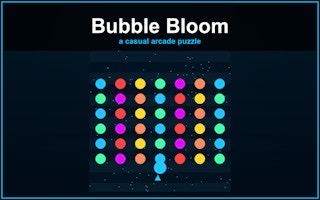
Aim colorful balls at matching groups and connect three or more to clear the board.
- Session
- 3–10 min
- Controls
- Aim and shoot with the mouse or touch controls
- Best for
- Quick

BallBlastPals
BallBlastPals
Aim and shoot with the mouse or touch controls
Play loads a game hosted by GamePix that may show ads and use cookies.
Provided by GamePix. Ads and cookies may load only after you press Play. Read the GamePix Privacy and Cookie Policy.
Aim a ball toward a reachable matching group.
How to play
How to Play BallBlastPals
Aim the current colored ball at matching balls in the upper field, fire to form a group of at least three, and repeat until the board is cleared.
- 01
Identify the color loaded in the launcher, then scan the board for groups and pairs of that same type. Start with targets that can form a three-ball connection immediately.
- 02
Choose an aiming line with a clear path to the intended group. Prefer a broad, exposed contact area while learning the launch response.
- 03
Use the pointer or touch control to aim the launcher, then fire the colored ball toward the selected match. Watch where it joins the field rather than looking away at the score.
- 04
Confirm whether the new connection reaches three or more matching balls. A successful group pops and scores points; an incomplete connection remains part of the board for future shots.
- 05
Rescan after every pop. The board has changed, so a color that was awkward before may now offer the cleanest next target or the start of a useful chain.
- 06
Keep forming groups of at least three until the board clears. Use the level result and score as feedback, then carry the same aim-check-rescan routine into the next layout.
About the game
Connect three or more matching balls to clear the board
BallBlastPals is a colorful bubble-shooter puzzle built around one readable rule: aim the launcher, fire a colored ball into the upper field, and connect it with balls of the same type. A group of three or more matching balls pops and adds to the score. Continue making useful groups until the board is clear and the level is won.
The important decision comes before each shot. The current ball may complete a group immediately, extend a pair into a pop, or prepare a color for a later turn. A close target is easy to see, but a slightly deeper connection may open more of the board. Good play balances the sure clear now with the position left for the next colored shot.
BallBlastPals also rewards planned chain reactions. Think of a chain as a sequence of related clears: one shot removes a group, changes access to nearby colors, and creates a better target for the next shot. Read the visible color groups, choose a clean aiming line, and judge the result before committing to the next route.
Controls
Controls for BallBlastPals
- Mouse or touch
- Aim the launcher toward the intended matching group.
- Click or release a touch drag
- Launch the current ball along the selected aiming line.
Useful strategy
Aim for useful color structure, not just the nearest target
- Take an immediate three-ball clear when it also leaves nearby colors easy to reach. A simple pop with a clean follow-up is a strong opening.
- Avoid scattering single balls across several areas without a plan. An unfinished placement is useful when it creates a visible pair or joins a growing same-color cluster.
- Aim into the widest part of a target group when several contact points would complete the match. More margin makes the shot easier to repeat.
- Rescan the whole field after a pop instead of firing from memory. A cleared group can change which colors are exposed and which route is now simplest.
- Prepare chain reactions through adjacent opportunities. Choose a clear that makes another same-color group easier to reach on a later shot.
- Use score as confirmation of successful matching, but keep the board-clear objective first. A high-value-looking shot is useful only when it supports continued progress.
Read the current color before choosing a target
Begin every turn at the launcher. The color you are about to fire determines which board groups can pop now and which placements would only prepare a later match. This prevents the common mistake of finding an attractive cluster first and then discovering that the loaded ball cannot complete it.
Search for three target types in order. First, look for a pair that the current ball can turn into an immediate group of three. Second, look for a larger same-color group that offers an easy contact area. Third, consider a deliberate setup that places the ball beside one matching ball and creates a pair for later.
When several targets use the current color, compare what surrounds them. A pop near other clear color groups can improve the next board read, while an isolated pop may solve only one small area. Choose the target whose removal creates the most understandable continuation.
Choose a clean aiming line with enough margin
Trace the path from the launcher to the target before firing. A direct exposed route is easier to control than a narrow gap between unrelated balls. If the intended cluster has several possible contact points, aim for the area that keeps the new ball connected to the matching color even with a small directional error.
Do not rush the shot merely because the color match is obvious. Confirm that the path reaches the chosen part of the cluster rather than another nearby color. The difference between touching the pair and settling beside an unrelated ball can decide whether the group pops or remains unfinished.
Use early shots to learn how the launcher responds to your pointer or touch input. Choose broad targets, observe the actual arrival point, and make small directional corrections on later shots. A consistent aiming routine is more useful than guessing at speed.
Complete groups of three instead of collecting loose pairs
A pair is one shot away from a pop only when a matching ball becomes available and the pair remains reachable. Creating several pairs across the board can look productive, but each still needs a specific future color. Prefer finishing one visible group before opening too many separate plans.
Larger groups also satisfy the three-or-more rule. When the current ball can join an exposed cluster, compare that sure result with a narrow attempt elsewhere. The reliable pop removes more balls from the board and gives immediate score feedback, which often makes the next decision clearer.
An incomplete placement should have a reason. It may create a pair in an exposed location, connect two same-color areas, or position the ball beside a cluster that will remain easy to reach. If it does none of these, search again for a target that contributes more directly to clearing the board.
Plan chain reactions as a sequence of visible opportunities
A useful chain begins with the first pop but is judged by what becomes easier afterward. Look for a matching group positioned near another color pair or cluster. Clearing the first color may open your view or aiming line to the second, giving future shots a stronger route.
Plan only as far as the visible board supports. The next loaded color may change what is possible, so avoid depending on a long exact sequence. A two-step idea is enough: make this clear now, then reassess the newly exposed area for the next best match.
After the first pop, verify the opportunity instead of firing automatically. A chain is valuable because each result improves the following decision, not because the original plan must be followed regardless of the changed field. Let the new board state choose the continuation.
Keep the board readable as colors accumulate
Scattered single balls make future routes harder to interpret. When no immediate group is available, place the current ball where it forms a clear pair or joins a concentrated color area. Organized colors give later matching balls more than one useful contact point.
Avoid blocking an exposed pair with an unrelated setup if another reasonable location exists. The unfinished ball may become useful later, but covering your best current match reduces options now. Preserve clean lines to the groups most likely to accept upcoming colors.
Pause after several setup shots and count the near-complete groups. If too many colors need one more ball, prioritize the first available completion instead of starting another pair. Clearing one project restores simplicity and helps the rest of the board separate into actionable choices.
Use score as feedback while keeping the clear as the goal
Matching groups adds to the score, which confirms that the shot created a valid connection. Compare the score change with the visible removal so you understand which part of the move succeeded. Then return attention to the remaining board rather than chasing points in isolation.
A large or satisfying reaction is useful when it advances the clear. Do not preserve easy matches indefinitely while waiting for a more dramatic sequence; the future color order may not support it. Reliable progress keeps the board manageable and creates more chances for naturally connected clears.
At the end of a level, review the shots that produced both a pop and a strong follow-up. Those are the patterns worth repeating: accurate contact with a matching group, a cleaner field afterward, and an obvious target for the next color.
Recover when a shot does not complete the intended group
If the ball settles without popping, first check whether the connection contains fewer than three matching balls or whether the shot joined a different area. The result remains on the board, so treat it as a new position rather than repeating the same aim without analysis.
Look for a future ball of the same color that could turn the missed placement into a valid group. If the new ball is exposed and easy to reach, the miss may have created a workable pair. If it is isolated, avoid adding more unrelated balls around it unless they support another clear.
Correct the aiming line by a small amount when the target was right but the contact point was wrong. Choose a different target when the path itself was too narrow. Separating an aiming error from a target-choice error leads to a more useful next shot.
Quick answers
BallBlastPals FAQ
What is the goal in BallBlastPals?
Connect matching balls in groups of three or more so they pop, add score, and move the level toward a completely cleared board.
How many matching balls are needed to pop a group?
A connected group needs at least three balls of the same type. Two matching balls form a useful pair but remain until another matching ball joins them.
How should I choose my next target?
Check the current ball color first, then prefer an exposed pair or cluster that can produce an immediate pop and leave a clear follow-up.
What should I do when no immediate match is available?
Place the ball beside the same color in an exposed location to prepare a pair. Avoid scattering a new singleton when a more organized setup is available.
How do chain reactions help?
A planned clear can make another color group easier to reach or understand. Recheck the field after every pop and continue only when the next opportunity is still visible.
What if my shot does not pop the target?
Check whether the new connection contains fewer than three matching balls or reached the wrong contact point. Use the settled ball as a new pair when possible and correct the next aim deliberately.
Should I focus on score or clearing the board?
Use score to confirm successful matches, but keep the level objective first. Choose pops that remove balls and leave the next part of the board easier to solve.
Game information
Game details
BallBlastPals is provided through the GamePix-hosted player. The external player may display advertising and is governed by GamePix's privacy terms.
- Developer
- brad-gupta111
- Distributor and host
- GamePix
More about this game
Keep the break going